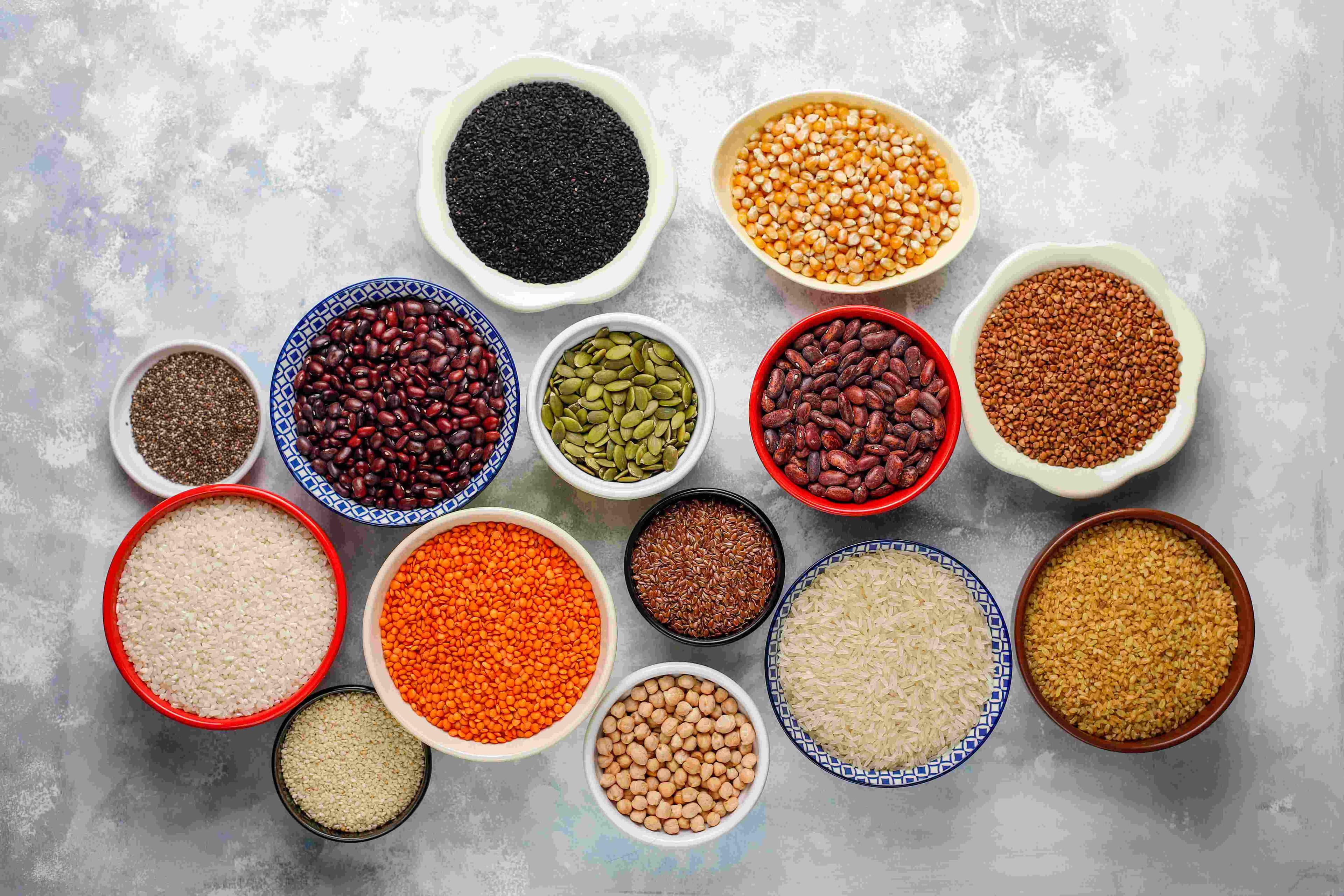
Why Millets Are the Future of Healthy Eating
Millets are nutrient-dense whole grains that have been a part of traditional diets for centuries, especially in regions like India. They are naturally rich in dietary fiber, plant-based protein, and essential minerals such as iron, magnesium, and phosphorus. This combination makes them highly beneficial for supporting overall health and maintaining balanced nutrition.
One of the key advantages of millets is their easy digestibility. Unlike many refined grains, millets are gentle on the digestive system and help promote better gut health. Their high fiber content supports regular bowel movements and nourishes beneficial gut bacteria, which plays an important role in immunity and metabolism.
Millets are also known for their low glycemic index, meaning they release glucose slowly into the bloodstream. This helps maintain stable blood sugar levels and prevents sudden energy spikes and crashes. Because of this, they are an excellent dietary choice for people managing conditions like diabetes or those looking to sustain energy levels throughout the day.
In addition, millets provide long-lasting energy due to their complex carbohydrate structure. They keep you feeling full for longer periods, reducing unnecessary snacking and supporting healthy weight management. Unlike heavily processed grains, millets retain their natural nutrients, making meals more wholesome and nourishing.
Incorporating millet-based foods into your daily diet—such as porridge, rotis, or breakfast bowls—can significantly improve your nutritional intake. Over time, this simple dietary shift can contribute to better digestion, improved energy levels, and a more balanced, natural way of eating.